Blog.

Insights to measureable change and sustainable solutions

Discover how Residentials Solar System provides high-end solar panel installation services with genuine impact
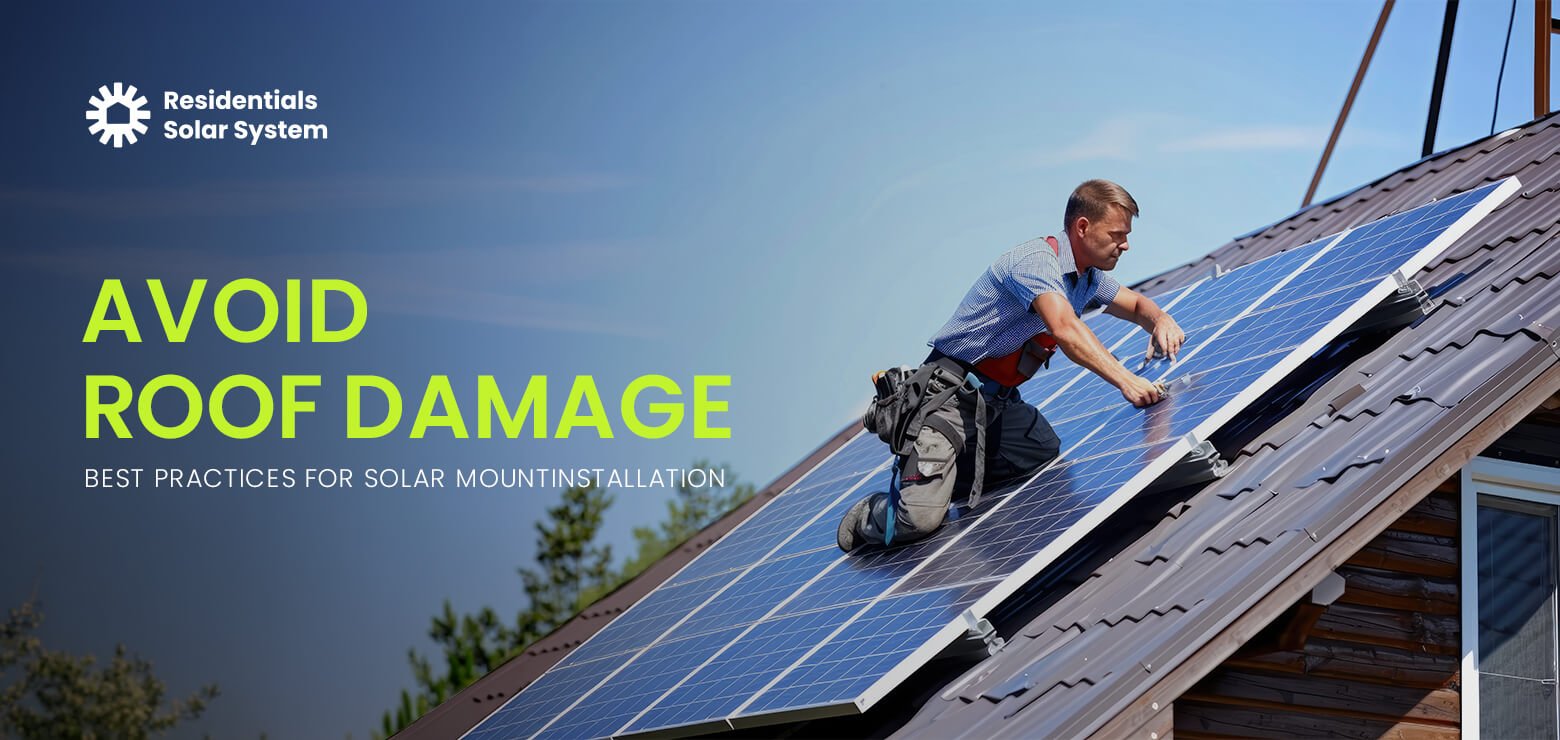
Avoid Roof Damage: Best Practices For Solar Mount Installation

Avoid Roof Damage: Best…

Solar panels can reduce your electricity bills and increase the value of your residence. Mounting Solar panels will help reduce energy costs and increase the…

From brackets to batteries: building a reliable residential solar system

From brackets to batteries:…

Homeowners in the United States are now becoming financially very literate as they are looking forward to some budget-friendly options that can provide them with…


Powered by Trust and Results

Start your energy-efficient journey now at an affordable price!

Book your quote now so that you can enjoy a seamless energy flow in case of power outages and extreme weather conditions, such as thunderstorms

Get Your Free Consultation

We're Proud to Partner with The Best Clients in Their Field

Have Any Other Question?

Reach Out, We’re Always Listening

Builds trust and signals that your team is open, approachable, and responsive to inquiries.

FAQ

Everything You Need to Know

From technology to timelines, find all the key answers in one simple place.

Solar energy is electricity generated from sunlight using photovoltaic (PV) panels. These panels absorb sunlight and convert it into direct current (DC), which is then transformed into usable alternating current (AC) by an inverter to power your home or business.

Yes. While the upfront cost may vary, solar systems drastically reduce monthly electricity bills and often pay for themselves within 5–7 years. Many countries also offer incentives, tax credits, or feed-in tariffs to further enhance savings.

Most solar panels are designed to last 25 to 30 years. Even after that, they continue to produce electricity at around 80% of their original efficiency, making them a long-term investment.

Not necessarily. Batteries are optional and allow you to store excess energy for later use or during power outages. Without batteries, your system can still function by exporting excess power to the grid.

Yes. With the right system size and design, solar panels can supply 100% of your energy needs, depending on location, usage patterns, and sunlight exposure.