Homeowners in the United States are now becoming financially very literate as they are looking forward to some budget-friendly options that can provide them with some respite in terms of paying high utility costs. They now look forward to some cost-efficient options and, what is best, more than a proper budget-friendly solar kit. The main purpose to install solar panel is to get rid of power outages and to save on utility bills as well. Uncertain climatic conditions can create hazards such as storms, which can cut the power and disturb your daily routine.
It is not just a matter of picking panels when it comes to building a reliable home solar system, but one should also see what each of the pieces contributes to your everyday energy output. Every component in the brackets that hold each panel in place, in the mounts that set your system in place, and the batteries that hold your power, are all important in the long-term performance. Homeowners in the United States are going out in numbers trying to find out the manner in which these modules interact and what actually counts when installing them. This blog deconstructs the fundamentals, provides answers to the most frequented questions by homeowners, and demonstrates that, with the right elements and the right installation process, one can have a reliable and long-lasting solar system that can withstand time.
Comprehending the components of a residential solar system
An effective home solar system is a system that is constructed using a mixture of key elements that interact to produce reliable energy. The panels are solar, and it is the brackets and mounts that make sure that the panels are safe on your roof and that they do not fall and will last long. Solar energy is converted to usable electricity by invertors and the system is left running without difficulties by wiring and safety disconnects. As a way to increase resilience, battery storage can provide zero power during outages and peak hours to homeowners. All the components have their own functions, and by knowing how they perform, the homeowners make an informed choice concerning the performance, durability, and long-term savings. The combination of all these components into one efficient and smooth source of clean energy for daily living is a well-designed system.
Choosing the right mounts and brackets for durable performance
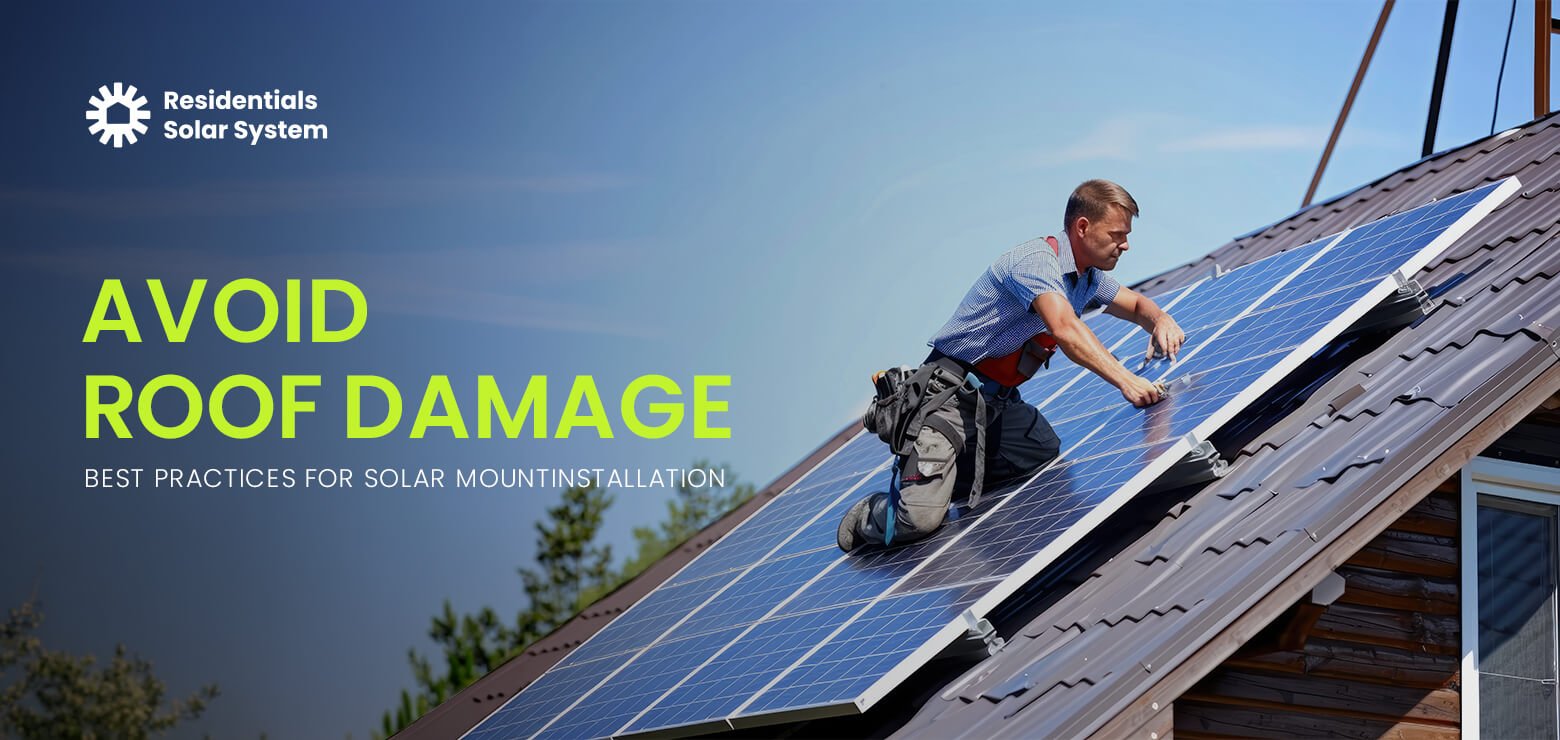
One of the most significant factors in constructing a durable residential solar system is the choice of mounts and brackets. Your mount should be compatible with your roof type, structural load, and local wind conditions, or it will make the panels insecure and cause leaks and permanent damage to your roof. The brackets are also very crucial in ensuring that each panel is fixed in place; aluminum or stainless steel are the preferred ones, and they are not easily corroded, ensuring that the panel is aligned, and warranties of the system are not damaged easily. Efficient fastening techniques, flashing, and weather-resistant hardware enhance the efficiency of the system and its maintenance requirements. Mounts and brackets are intended to work together to provide you with a stable performance, the maximum output of energy, and decades of protection for your solar investment when properly selected.
Batteries that provide durable performance
While installing a solar panel, homeowners have to be careful regarding how many panels they require to get a consistent power supply in their residences.
| Battery Type | Batter Power | Approximate solar plates supported | Ideal residential space |
|---|---|---|---|
| 6 V 600 Ah Deep Cycle | 6/3600 | 4-5 solar plates | Small homes, condos, or backup systems for essential loads (lights, fans, Wi-Fi, refrigerator) |
| 36 V 1000 Ah Lithium | 36/1000 | 22-27 solar plates | Apartments, townhomes, or partial-load solar setups with limited roof space |
| 6 V 532 Ah Deep Cycle | 6/532 | 4-5 solar plates | Medium-sized single-family homes requiring extended backup or partial off-grid support |
| 6 V 1100 Ah Deep Cycle | 6/1100 | 10-12 solar plates | Large residential homes, luxury properties, or homes aiming for near-off-grid independence |
Installation process and safety standards
A residential solar system installation is a combination of prudent planning, licensed installation, and high standards of safety to save your home and your investment. The first step to take by a professional installer is a thorough site analysis; the roof study, structural load-calculation, shading study, and electrical panel review; then a permit-ready design specific to your home is made. Certified technicians ensure that proper grounding and rapid-shutdown devices are installed, proper grounding is observed during installation, install correct flashing, ensure proper manufacturer torque is met during installation, and direct the wiring to conform to local electrical codes during installation. Once the system has been physically installed, it is then commissioned, utility interconnected, and final inspections are done to ensure that the system is performing and within the required standards. By enforcing security and compliance with codes, the interests of safety and minimization of risk will be provided, warranties will be maintained, and decades-long invariability of energy production will be ensured.
- Pre-install checklist: Structural review, roof condition report, permit filing, utility coordination, and permit report done in advance before mounting, to prevent delays and to ensure compliance.
- On-site best practices: Factory torque requirements, hardware that is anti-corrosive, proper flashing, and ensuring a safe grounding to eliminate leaks, as well as electrical hazards.
- Post-install testing: Commissioning of the system, safety checks, interconnection testing, and performance testing in order to verify reliability and warranty coverage.
Final thoughts
It is just a matter of finishing your solar trip with the correct components and installer and transforming a thought into reliable home energy. Homeowners will save on costs, ensure durability and tranquility in the long-run by giving importance to corrosion-resistant brackets, well-calculated mounts, and prudently sized kits, and through incorporating battery storage and professional installation. A qualified residential solar panel installation company in the USA will lead the way in permitting, safety inspection, and performance monitoring in order to ensure that the systems produce anticipated output and guarantee the warranty. Begin with an energy audit, make comparative quotations in detail, and demand clear specifications of brackets, mounts, and batteries. When you make informed decisions and choose high-quality workmanship, your solar system will be a long-lasting, efficient asset that will help reduce your bills and increase your energy self-sufficiency at home.